MEET THE FOUNDER & CEO
Helen Meurs
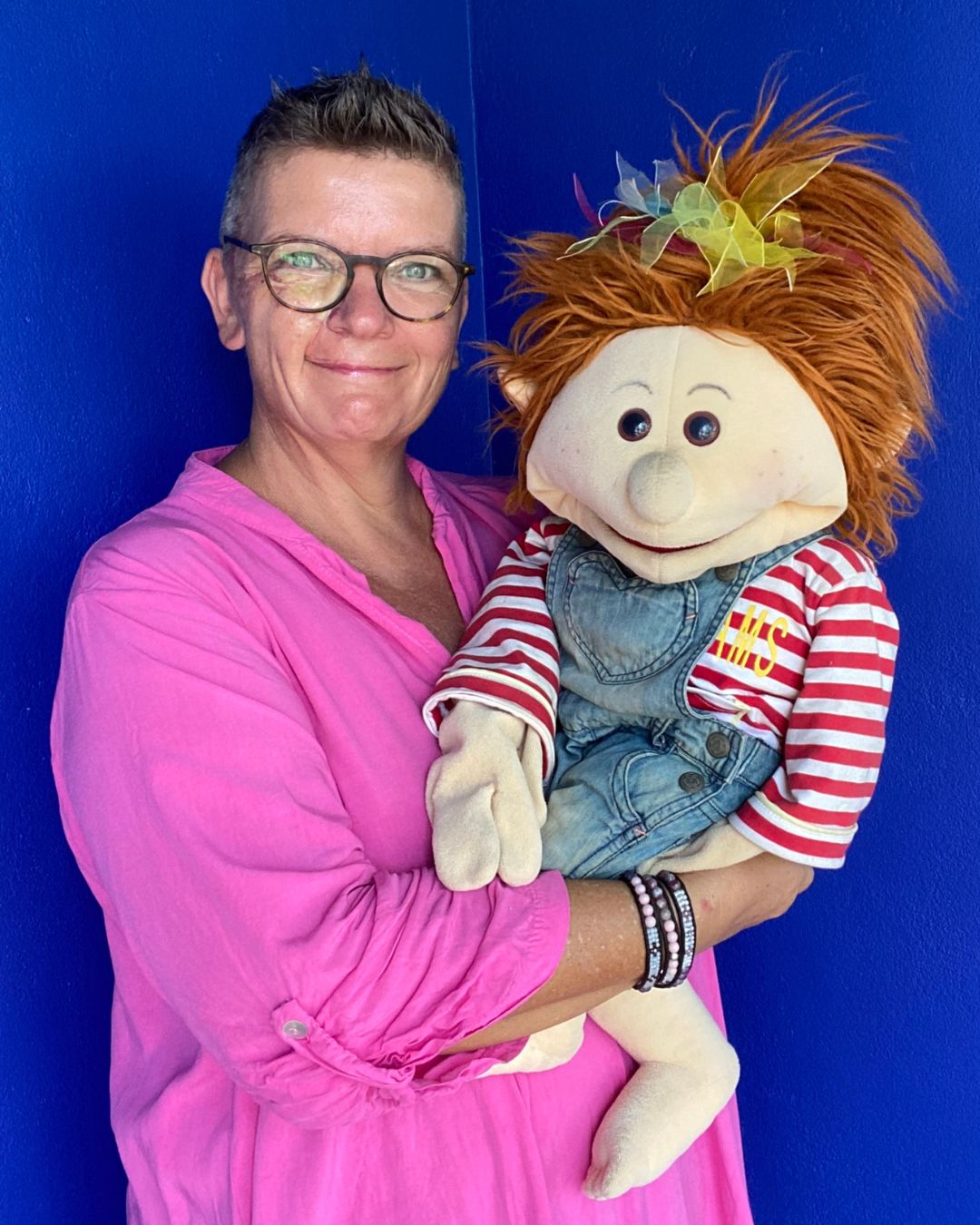
I didn’t start working with puppets because it was playful.
I started because, as a teacher, I couldn’t reach every child - no matter how much I cared.
Some children stayed distant.
Quiet. Guarded.
And the more I tried to connect, the more pressure I felt building in the interaction.
One day, I brought in a puppet.
It felt awkward - and then something unexpected happened.
A child who had never opened up… suddenly did.
That moment stayed with me.
I wanted to understand why this worked.
Not as a trick, and not as a performance - but as a different way of entering the interaction, one that felt respectful and safe for the child.
Over time, this exploration grew into what I now call Relational Puppetry: a way of working that uses a puppet as a safe third voice, allowing pressure to shift and connection to emerge more naturally.
Experience & background
My work is shaped by decades of everyday practice with children, parents and professionals -
in classrooms, care settings, and coaching contexts.
I’ve:
- worked with children for more than 30 years
- trained thousands of educators, caregivers, and child-focused professionals
- founded the largest puppet webshop in the Netherlands
- developed one clear, practical approach based on real interactions
Not as a rigid method you have to follow step by step, but as a way of working you can make your own.
Why I started to teach this approach
I believe children don’t need fixing - they need to feel safe enough to show who they are.
And you don’t need tricks - you need tools that reduce pressure and align with who you are.
A puppet can become such a tool.
In your way. With your voice. In your practice.
You don’t need to be playful.
You just need to be willing to try a different way in.
If you’ve ever felt that caring deeply isn’t always enough, my work was born from that exact place. I wasn't a natural when I started, just a curios educator with the drive to find an other way in to the child's' world.
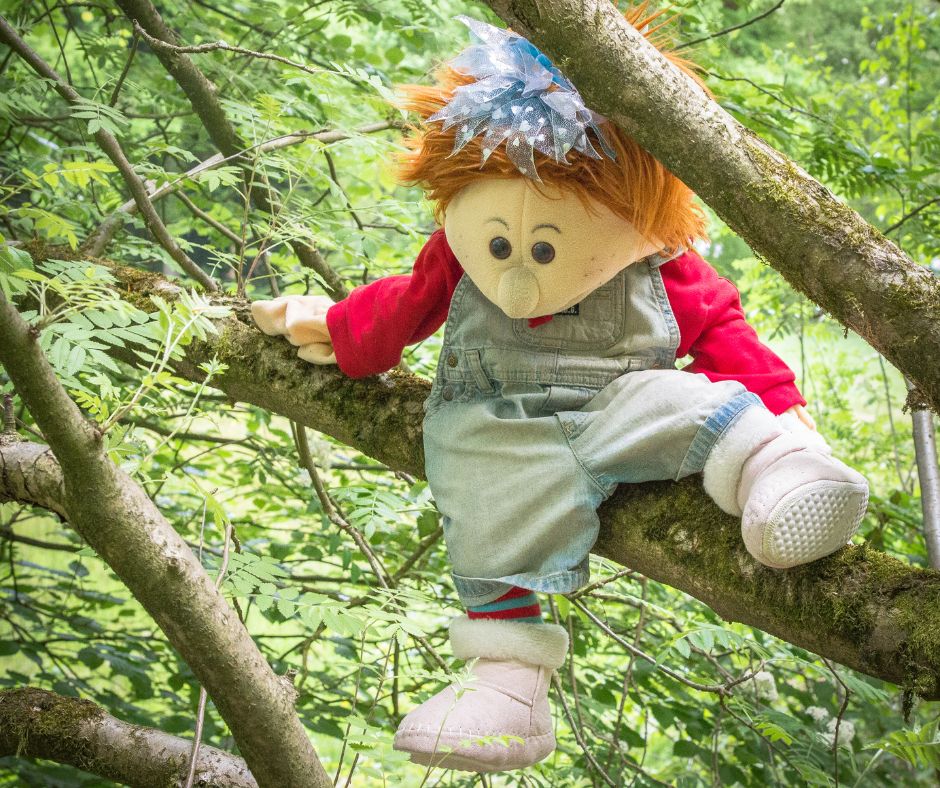
Meet JaNee
Co-FOUNDER & Full-fledged assistant
JaNee is my puppet and the co-teacher, role model, and emotional anchor in the Relational Puppetry approach.
JaNee is not “just” a puppet.
She is a bridge – between child and adult, between a child’s inner world and the outside world. Everything about her presence is intentional: her voice, her pace, her words, and even her silences.
All of it serves one purpose:
to help children feel safe, seen, and understood.