Playful Connection: The Puppet as a Way In
When talking doesn’t work, playing does.
Does this sound familiar?
You look at your child and something in you just knows: something is off.
The almost-nonchalant behavior you see doesn’t match what you sense underneath.
You notice the tension in their shoulders, the flicker of panic in their eyes before their gaze quickly shifts away.
You hear the silence that seems to stretch longer and longer.
It feels as if you and your child are living on two different islands.
You try to start a conversation, try to make contact.
“How was your day, sweetheart?”
You get a shrug. “I don’t know.”
Or that familiar: “Fine.”
Thoughts start racing through your mind:
How do I reach you?
What’s going on in your head?
Why isn’t talking working anymore?
You’re doing your best. You’re reading, researching, trying new tools. But the connection still feels out of reach.
And slowly, powerlessness creeps in.
I’m missing something.
I don’t see you.
And I want to understand you so much.
Why talking doesn’t work for sensitive or overwhelmed children
Many children struggle to talk about what’s bothering them.
Especially those who are sensitive, anxious, shut down easily, or simply overwhelmed.
A direct question can feel too confronting.
Even with love and good intentions, the moment may be too intense.
They feel your love and concern – and that’s exactly why they close off.
Not because they don’t want to share, but because the moment feels too charged, even with the best intentions.
So the distance grows. The wall between you thickens.
You both want to connect – but can’t find the way in.
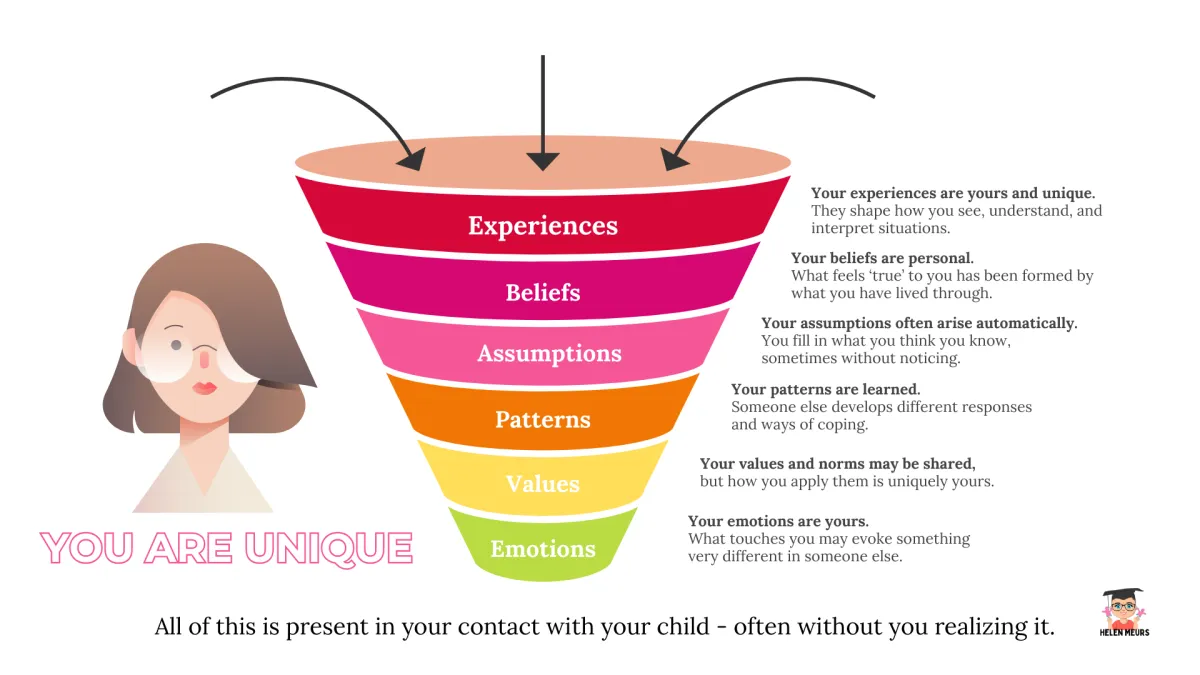
How a puppet helps children open up emotionally
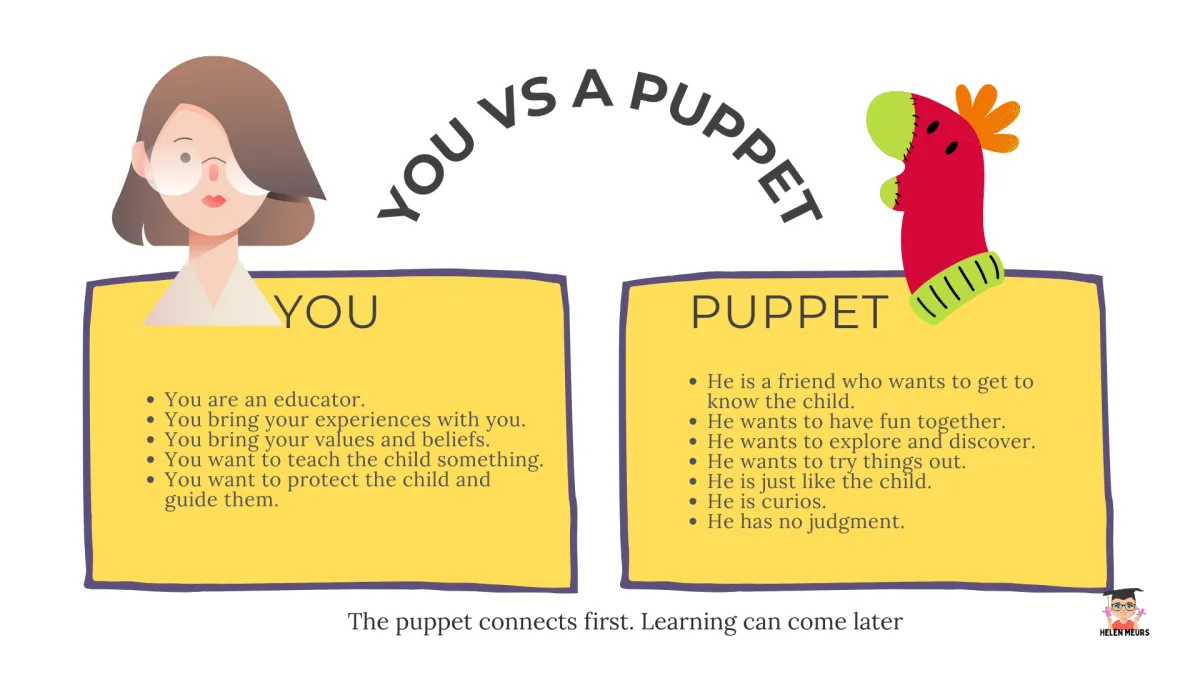
A puppet isn’t a distraction. It’s a parenting tool for connection.
It offers a different kind of presence.
It feels safe, curious, and pressure-free.
It doesn’t ask direct questions.
It doesn’t expect emotional language.
It just plays.
And in that play, something shifts:
Your child relaxes
They open up in ways they couldn’t with words
You finally see what’s going on underneath
The puppet loosens what feels stuck. It opens the emotional space.
It invites your child to step in on their own terms.
It’s not about perfection. It’s about the courage to try, and the space to connect.
I’m Helen Meurs - and I’m here to help
I’m a former teacher from the Netherlands,
now an international trainer and developer of Relational Puppetry:
a method that helps you use a puppet to reach the child behind the behavior.
For over 20 years, I’ve coached thousands of parents and professionals to use a puppet not as a performance,
but as a bridge - to connection, trust, and emotional growth.
You don’t need to be playful. Or perfect. Or know what to say.
You just need to be open to trying a different way.
And I can help you. Step by step.
Ready to try something new?
You don’t need to fix everything.
You don’t need all the answers.
You just need a way in.
And sometimes… that way in is small, soft, and wears fuzzy hair.
A puppet doesn’t ask for perfect words. It only asks for your presence.
If you’re curious how this could work for you and your child, I have something for you:
What you can start with - today
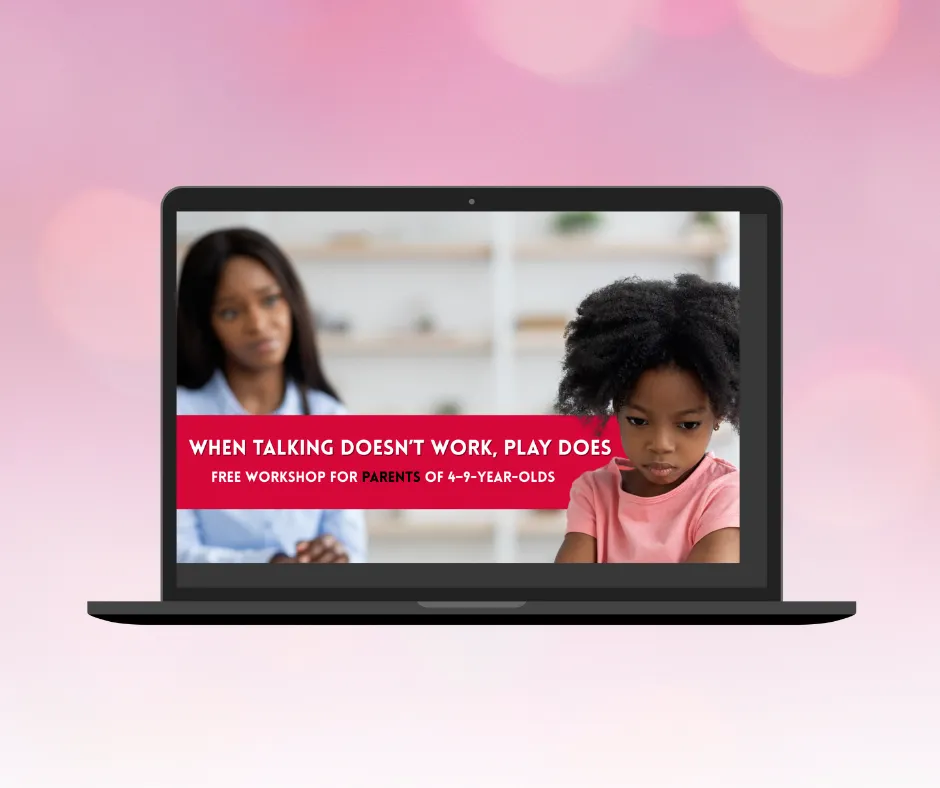
My free workshop
Learn how to use a puppet as a bridge. Even if you’ve never done this before.
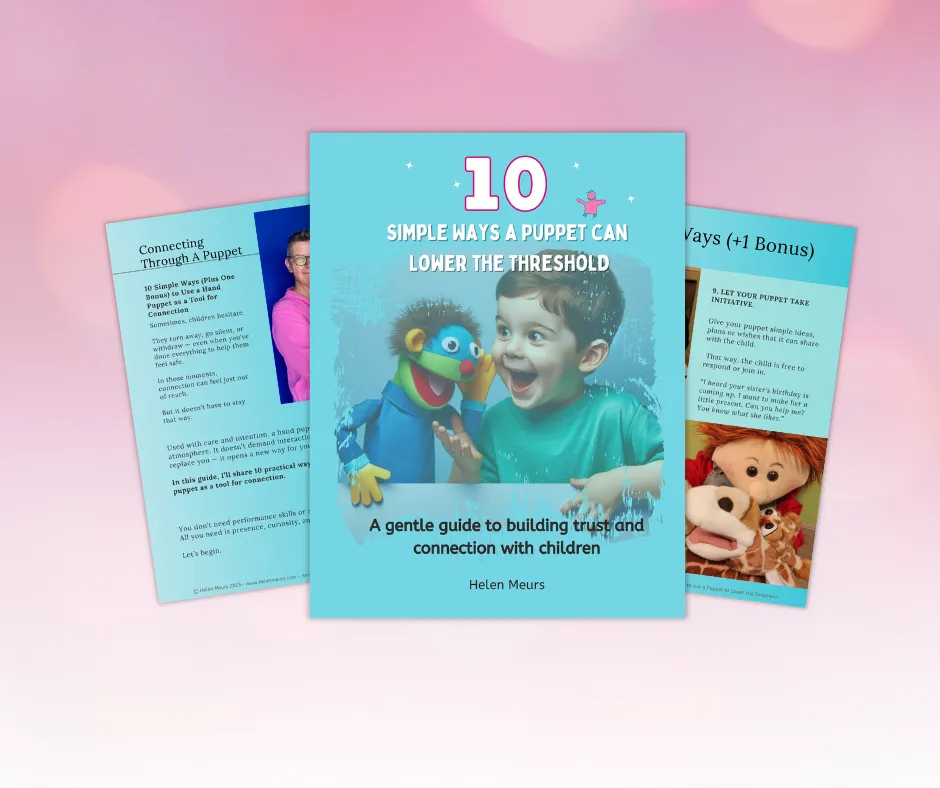
Free eBook
Discover how puppets make moments softer, and connection easier.
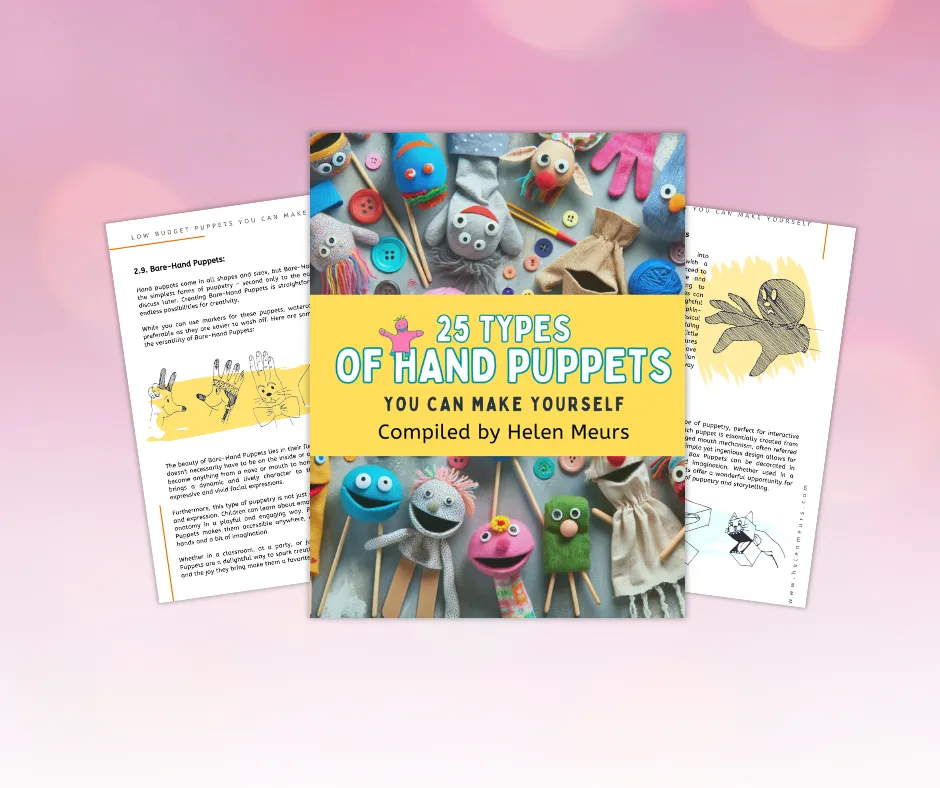
Free eBook
No puppet yet? Start here with simple, playful ideas.
These resources are designed to help you try, explore, and feel if this approach fits you and your child.
There's no pressure. Only possibility.